
Sage Brewing Guide — Infusions
Peppermint
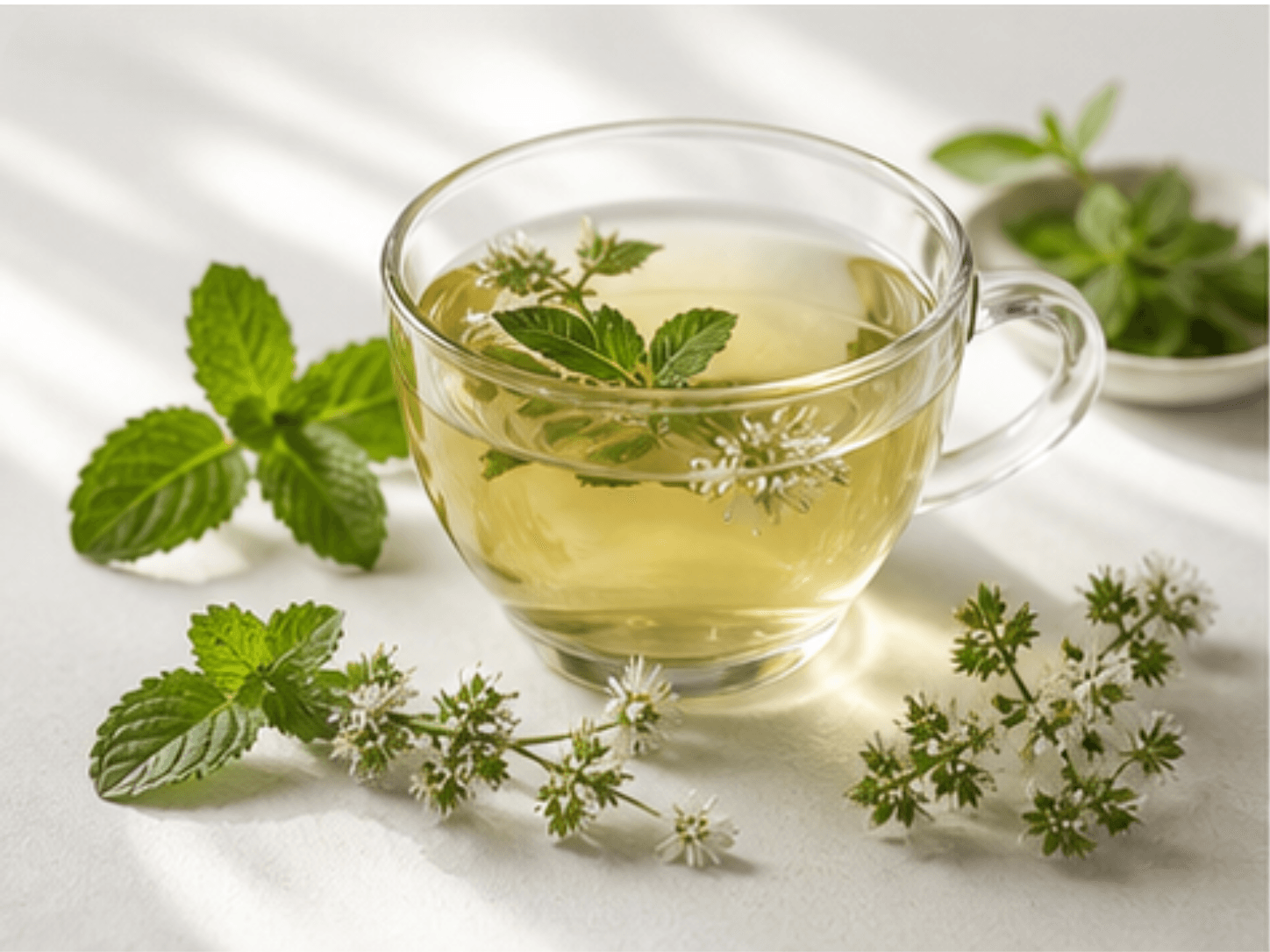
Peppermint is not a tea in the Camellia sinensis sense, but an infusion made from mint leaves alone. It is crisp, cooling, and direct, offering a caffeine-free cup that still feels vivid and awake.
1. Origin & Tradition
Peppermint infusions have long been prepared across different food cultures as a refreshing herbal drink, especially after meals or later in the day. Its appeal is easy to understand: the aroma is immediate, the flavour is clear, and the ritual asks very little of the drinker.
In the SteepSage context, peppermint works as a counterpart to the Ceylon classics. Where black and green teas teach extraction and terroir through the leaf, peppermint teaches clarity through simplicity.
2. Source & Quality
Because peppermint is a herbal infusion rather than a true tea, terroir is expressed differently: through leaf freshness, cut size, drying quality, and menthol intensity rather than tea district or elevation. The best cups come from leaves that still smell vivid before they ever meet the water.
Its strength lies in aromatic release. Once infused, the leaf gives a cooling sensation and a bright herbal sweetness without needing milk, sugar, or embellishment.
3. Flavour Architecture
Aroma: Fresh mint leaf, cool menthol, and a sweet green lift.
Palate: Clean, bright, and naturally generous in flavour. The cup feels cooling and expansive rather than dense.
Finish: Lingering freshness with a distinctly cooling after-sensation.
4. Precision Brewing
| Parameter | Recommendation |
|---|---|
| Leaf quantity | 2g per 250ml |
| Water temperature | 96–100°C |
| Steep time | 5–7 minutes |
| Water quality | Filtered preferred |
| Vessel | Infuser basket or teapot |
If the infusion tastes weak, the simplest adjustment is more time. Peppermint generally tolerates a longer steep well because it does not develop tannic bitterness in the same way black or green tea does.
If the cup feels dull rather than bright, the issue is often leaf age rather than technique. Fresh peppermint should smell alive before brewing and remain vivid after the pour.
5. When to Drink & How to Pair
Time of day: Afternoon or evening, especially after food.
Pairing suggestions: Dark chocolate, fresh fruit, simple shortbread, light salads, or after-dinner desserts. Peppermint can refresh the palate rather than echoing richness.
Serving style: Best served plain. It also works well cooled over ice for a clean herbal drink.
6. Wellness & Mood
Peppermint is often chosen when a person wants freshness without caffeine. Many people find the cooling aroma and clear flavour especially helpful when shifting from busyness into a calmer part of the day.
The ritual is uncomplicated, which is part of its appeal. It offers a sense of reset without demanding attention in the way more delicate teas sometimes do.
Related guides