
Sage Brewing Guide — Ceylon Classics
English Breakfast
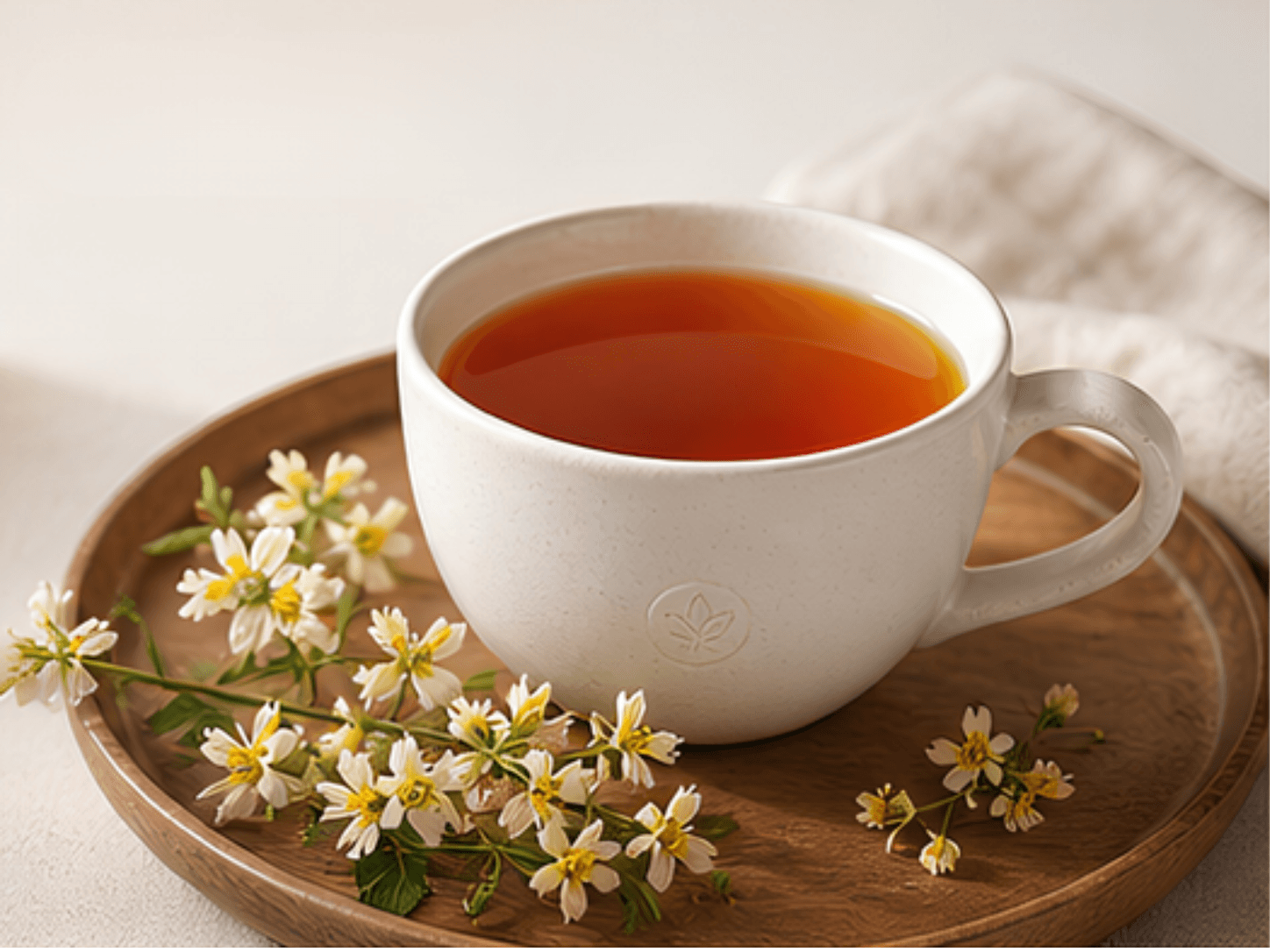
English Breakfast is the classic morning black tea: structured, brisk, and built for clarity. In a Ceylon-led expression, it becomes especially lively, with bright structure, clean tannins, and a finish that carries beautifully with or without milk.
1. Origin & Tradition
English Breakfast is not a single historic recipe but a long-evolved breakfast style shaped by British tea drinking and later by global blending traditions. Over time, breakfast blends moved toward stronger black tea profiles designed to hold their shape with milk and food, and Ceylon became a valued component for the brightness and lift it brought to the cup.
English Breakfast has endured because it balances body, familiarity, and reliability: a tea that feels grounding first thing in the day.
2. Leaf & Terroir
This expression is sourced from Ceylon, the tea-growing regions of Sri Lanka long known for producing teas with brisk structure, aromatic lift, and a clean finish. In a breakfast blend, that matters because Ceylon gives energy without muddiness: the cup feels lively rather than heavy.
Depending on the lot, Ceylon black teas for this style are often selected from mid- to high-grown districts where brightness, structure, and clarity remain intact through a fuller infusion. The result is a black tea that can welcome milk, yet still tastes composed when taken straight.
3. Flavour Architecture
Aroma: Warm grain, soft malt, and a lifted brightness that suggests citrus peel more than sweetness.
Palate: Medium- to full-bodied, with brisk structure and a steady black tea core. The cup opens with firmness, then rounds out into a polished, breakfast-ready depth.
Finish: Clean, lightly drying, and persistent. With milk, the finish softens but still keeps definition.
4. Precision Brewing
| Parameter | Recommendation |
|---|---|
| Leaf quantity | 2.5–3g per 250ml |
| Water temperature | 96–98°C |
| Steep time | 3 minutes black; 4 minutes with milk |
| Water quality | Filtered preferred; low to moderate mineral content |
| Vessel | Teapot or infuser basket |
If the cup feels thin, keep the temperature steady and extend the steep by 30 seconds before increasing the dose. If it feels rough or overly drying, shorten the infusion first, then lower the water temperature by 1–2°C.
A short infusion leaves the cup underdeveloped, especially in a brisk Ceylon tea where structure needs time to unfold. Too much time, or aggressively boiling water, pushes the tannins forward and can make the finish feel harder than intended.
5. When to Drink & How to Pair
Time of day: Morning, when its structure and familiarity feel most natural.
Pairing suggestions: Buttered toast, scrambled eggs, plain croissants, oat biscuits, or a simple marmalade tart. These foods match the tea's grain, malt, and brisk edge without overwhelming it.
Serving style: Black for clarity, or with milk for a rounder breakfast cup. This is the tea most at ease in either format.
6. Wellness & Mood
English Breakfast suits mornings that call for steadiness rather than spectacle. Many people find its familiarity reassuring: the ritual feels simple, reliable, and quietly centering.
The appeal is not only flavour, but rhythm. Kettle on, leaf measured, first pour, first sip: the tea offers a small structure for the beginning of the day.
Related guides