
Sage Brewing Guide — Ceylon Classics
Chai
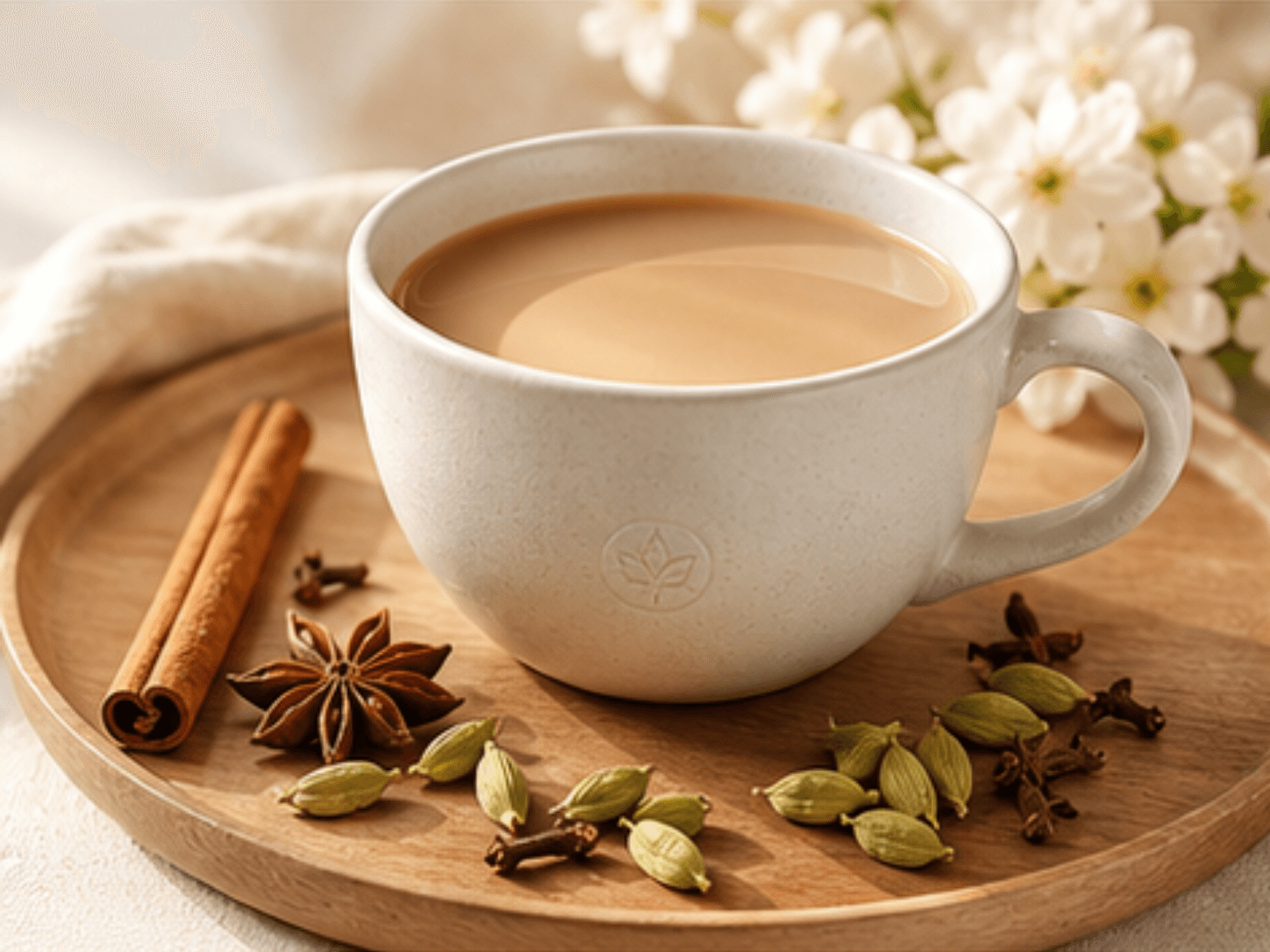
Chai is black tea shaped by spice: warming, layered, and naturally communal. With a Ceylon base, the cup keeps a cleaner structure beneath cardamom, ginger, cinnamon, and clove, so the spices feel vivid rather than muddy.
1. Origin & Tradition
In many South Asian languages, chai simply means tea, while masala chai refers more specifically to spiced tea prepared with milk and sweetener. Over time, this style became one of the most widely loved tea traditions in the world because it combines comfort, aroma, and hospitality in a single cup.
For an education page, it helps to explain that chai is not one fixed formula. Spice balance changes by household, region, and maker; what matters is the relationship between black tea, spice, milk, and heat.
2. Leaf & Terroir
A Ceylon black tea base gives chai a useful structural advantage. The tea remains brisk and articulate beneath the spices, helping each element stay legible in the cup.
Mid-grown Ceylon teas can offer enough body for milk preparation while still retaining lift. This makes them especially effective for spice-led blends where clarity matters as much as warmth.
3. Flavour Architecture
Aroma: Cardamom first, then cinnamon, ginger, and clove over black tea warmth.
Palate: Rich, spiced, and rounded, especially when milk is used. The tea provides grip beneath the spice, preventing the cup from tasting soft or overly sweet.
Finish: Lingering warmth with a softly spiced afterglow.
4. Precision Brewing
| Parameter | Recommendation |
|---|---|
| Leaf quantity | 3g per 250ml |
| Water temperature | 98°C |
| Steep time | 4 minutes, or simmer briefly if preparing on the stove |
| Water quality | Filtered preferred |
| Vessel | Saucepan for traditional chai; teapot or infuser basket for a cleaner infusion |
If the spice overwhelms the tea, reduce time slightly before altering the blend ratio. If the liquor tastes flat once milk is added, strengthen the tea base either with a small increase in leaf or a modest extension in steep time.
A short brew leaves chai tasting fragmented, with spices sitting on top rather than integrating. Too much extraction, especially with hard boiling, can bring roughness to both tea and spice.
5. When to Drink & How to Pair
Time of day: Morning or afternoon, especially in cooler weather.
Pairing suggestions: Banana bread, spiced biscuits, semolina cake, buttered toast, or savoury pastries. The blend welcomes both sweet and savoury foods because spice creates its own bridge.
Serving style: Best with milk for roundness and integration, though it can also be brewed lighter and taken black for a more spice-forward profile.
6. Wellness & Mood
Chai is closely tied to warmth, welcome, and conversation. Many people associate it with comfort because the aroma reaches the senses before the first sip even lands.
The ritual can be as simple or as involved as the day allows. A careful stovetop brew feels generous and unhurried; a cleaner kettle brew still offers a moment of pause with spice at its centre.
Related guides